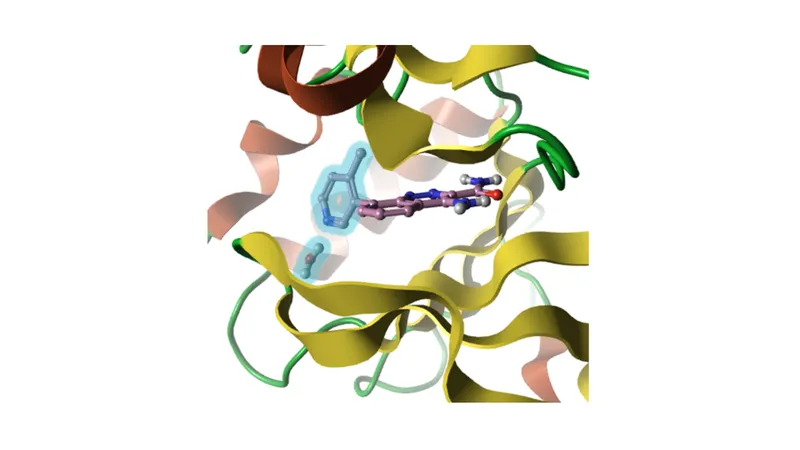
Compound idea generation is the process of designing new molecular structures likely to bind a biological target, using structural insights, SAR, computational predictions, or AI models. It helps chemists efficiently explore chemical space, improve potency and properties, and identify high‑quality candidates for synthesis and testing.
Efficient compound idea generation is essential in drug discovery because it provides the creative fuel feeding all subsequent computational workflows. Without a starting point of well‑designed molecular ideas, even the most advanced molecule prioritization tools will have a hard time finding ‘good’ compounds.
Flare is one of the most complete and advanced solutions for new molecule generation on the market, offering both physics-based and AI-based methods to meet a large variety of new compound idea generation needs.
Excellent idea generation with Spark™
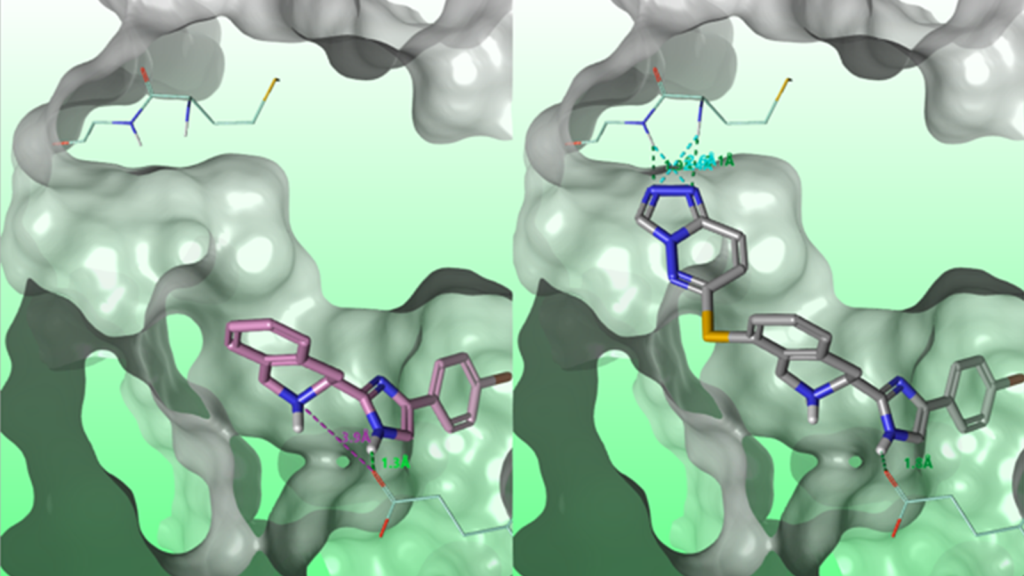
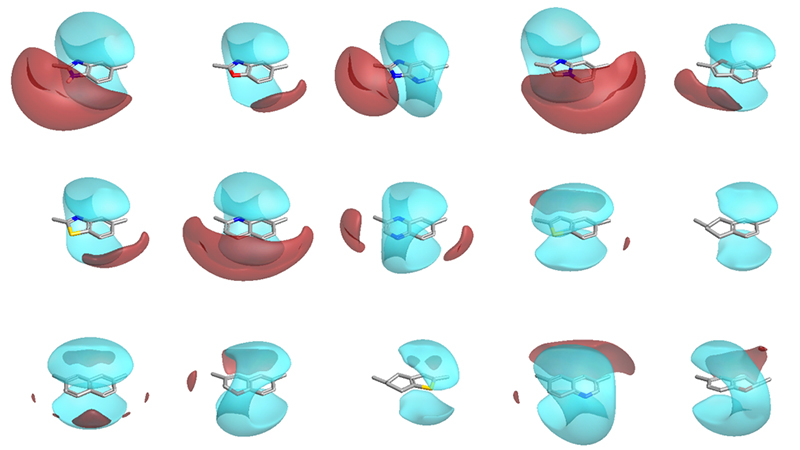
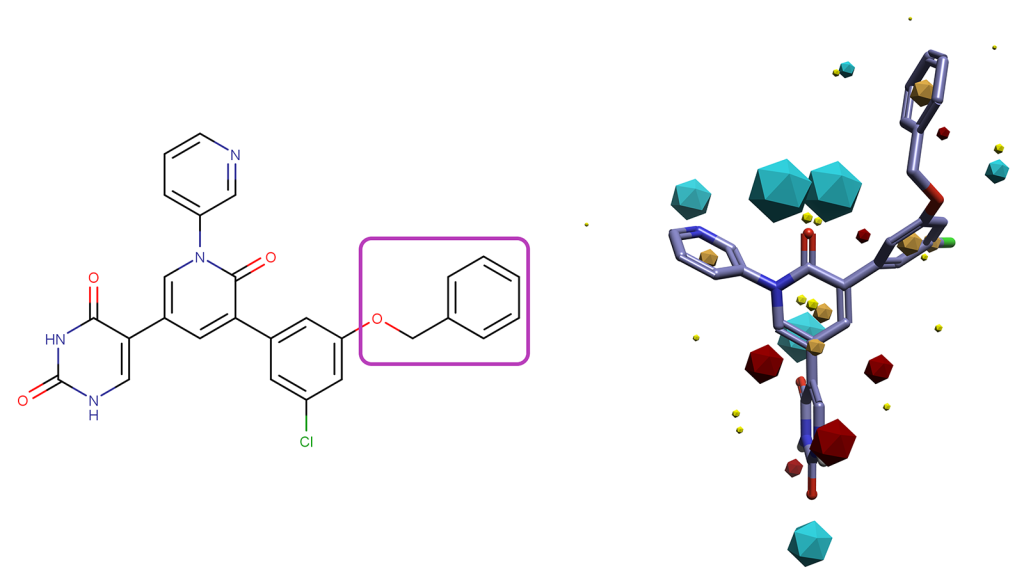
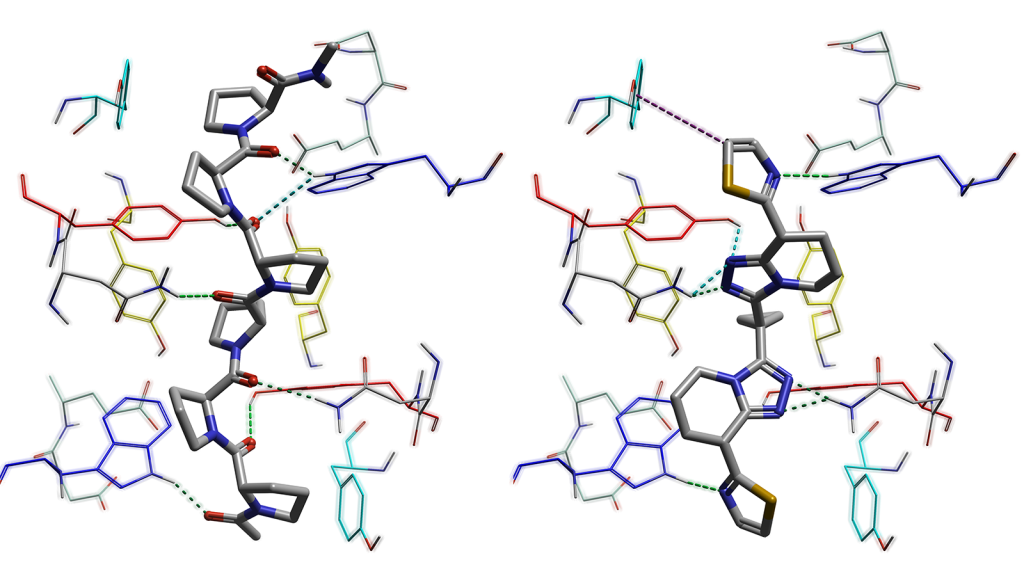
Spark can match the nature of your molecules better than any other tool by working in electrostatic and shape space. In this way, you can generate diverse, non-obvious bioisostere ideas for your drug discovery projects starting from fragments of real molecules.
Powered by Cresset’s field technology, Spark’s ‘product-centric’ approach to bioisosteric replacement enables users to rapidly generate diverse, non-obvious bioisostere ideas in a variety of different experiments: from scaffold hopping and R-Group exploration, to ligand linking and growing, macrocyclization and water replacement.
AI-driven new molecule generation
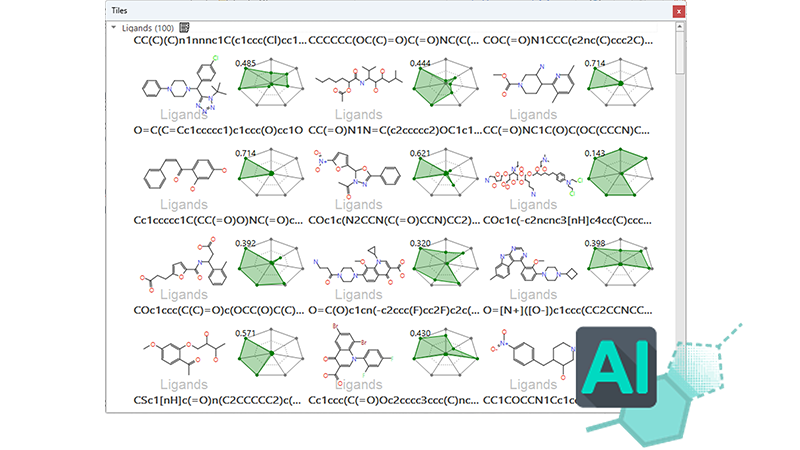
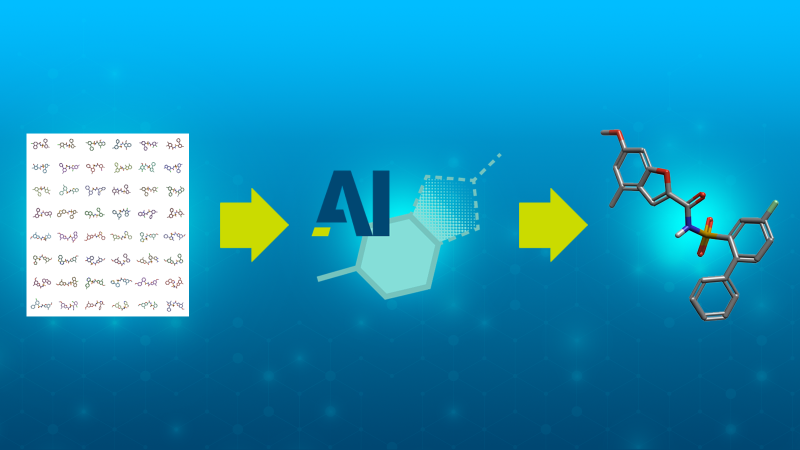
MolGenAI leverages the advanced REINVENT4 technology to create novel drug-like molecular structures, by using a generative AI prior trained on ChEMBL. Equipped with transfer learning and Radial Plot filtering, MolGenAI helps you focus exploration on the regions of chemical space which are of interest. The result is a set of novel molecules fine-tuned to meet your desired chemical and property criteria.
Rapid exploration of hit and lead compounds with Hit Expander™
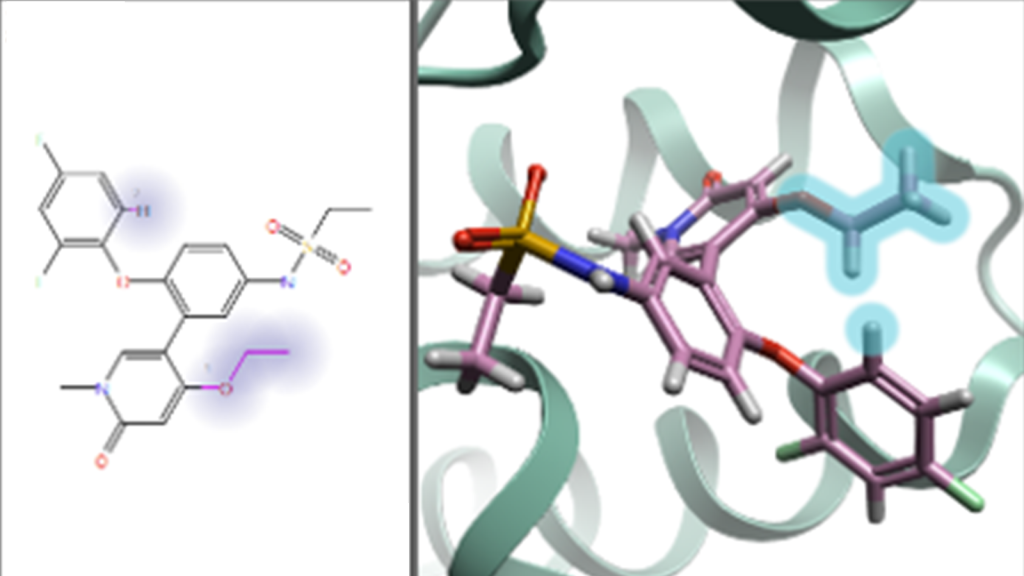
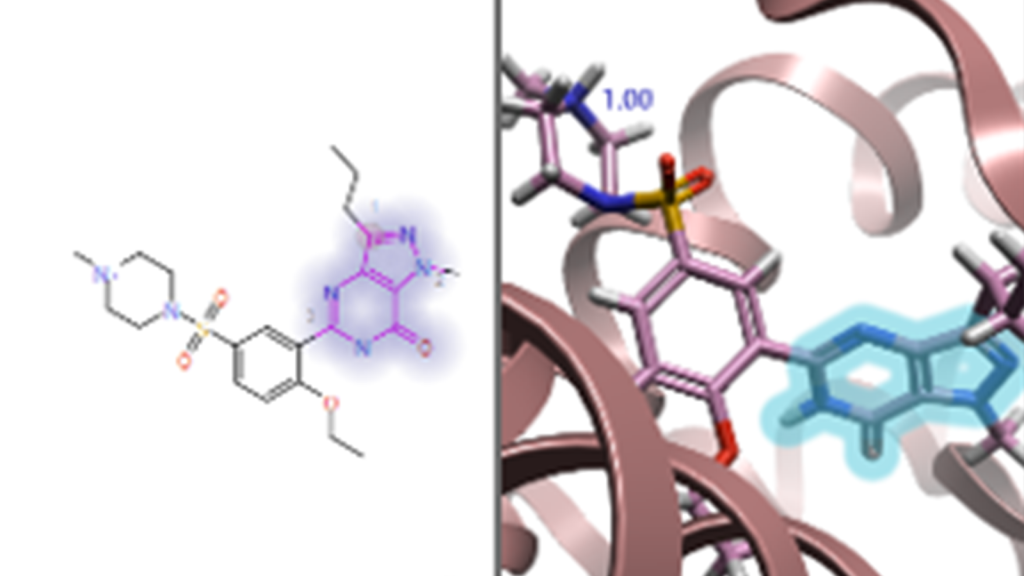
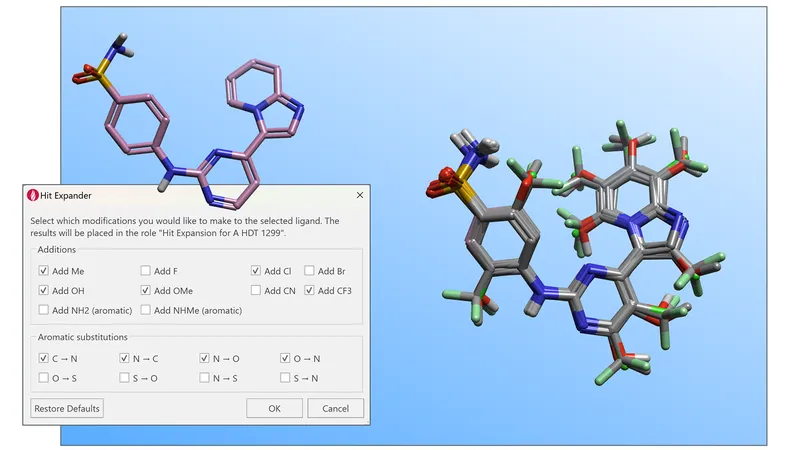
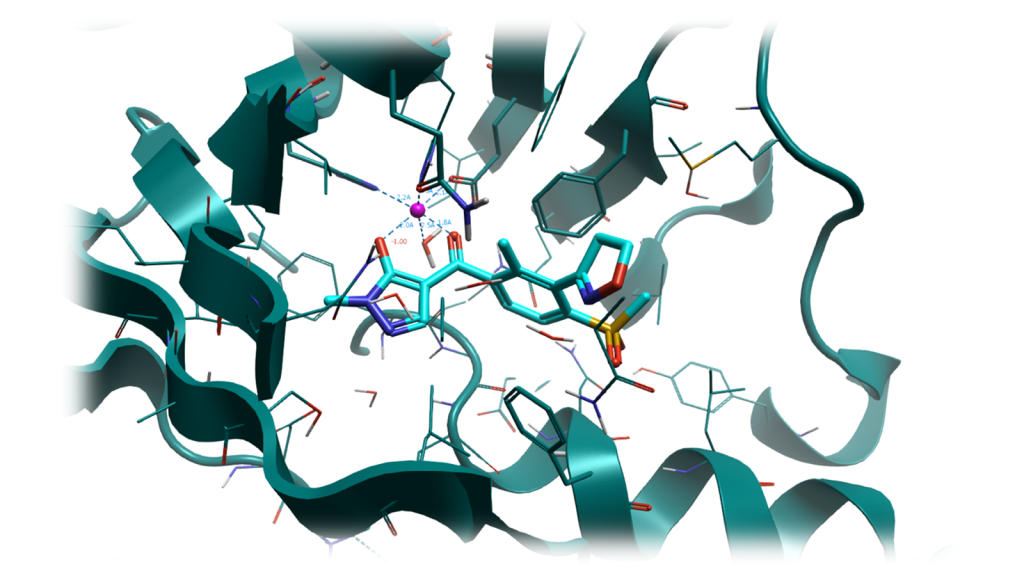
Hit Expander enables the rapid exploration of a single hit or lead compound. Starting from a parent structure, Hit Expander automatically generates variants including very small and restricted changes. These can be rapidly triaged by using short relative binding free energy calculations, to get guidance on what positions are likely to lead to improved activity when substituted, and on what types of substitutions are favored.
Library Enumeration
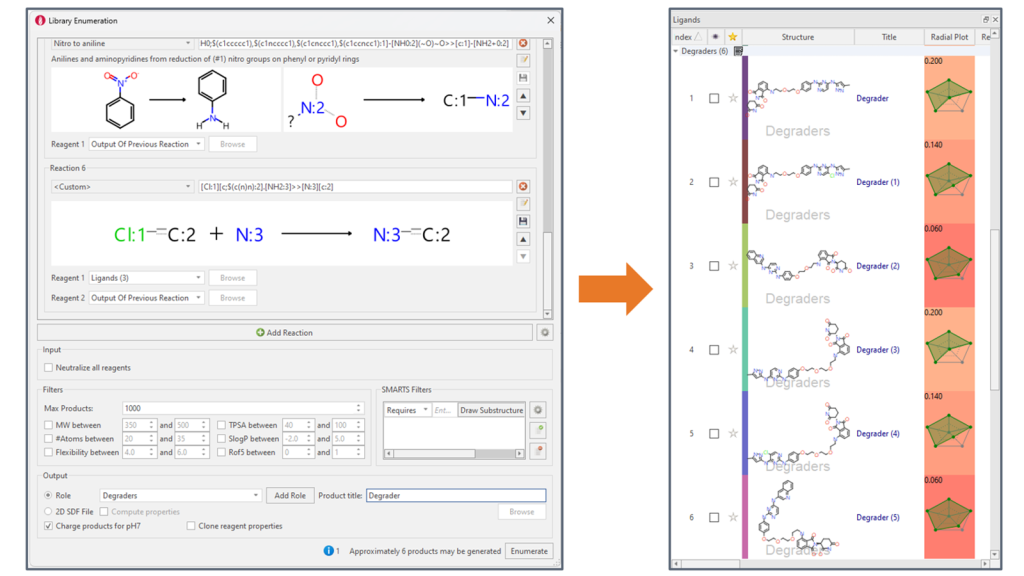
Library enumeration in Flare can be used to create libraries of small to medium size directly from the GUI, and larger libraries saving the output to disk.
- Enumerate your chemical libraries and arrays choosing from a list of more than 150 popular synthetic chemistry reactions
- Create your own in silico reactions using Flare’s user friendly interface to RDKit enumeration
- Concatenate reactions for enumerating complex libraries
- Focus the results on the ideal physico-chemical space by applying property and substructure filters during the enumeration experiment