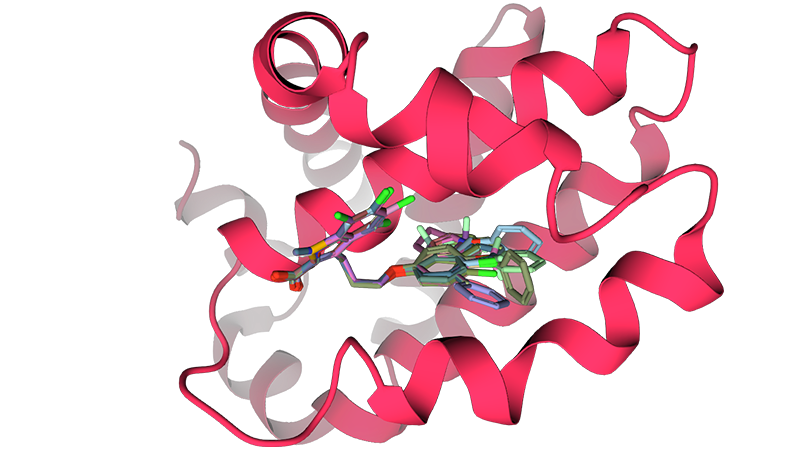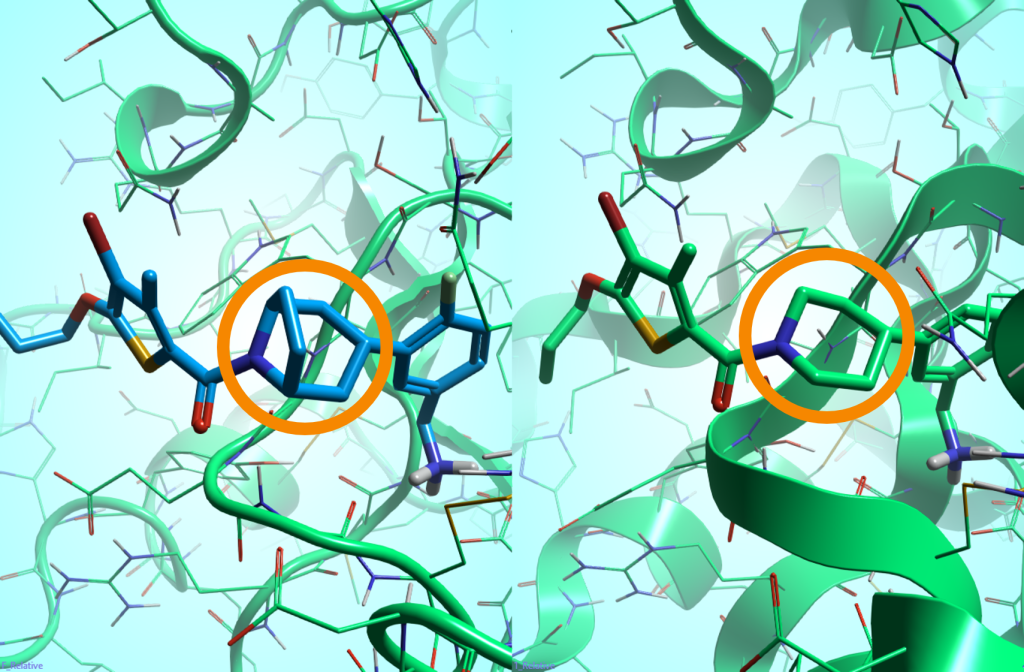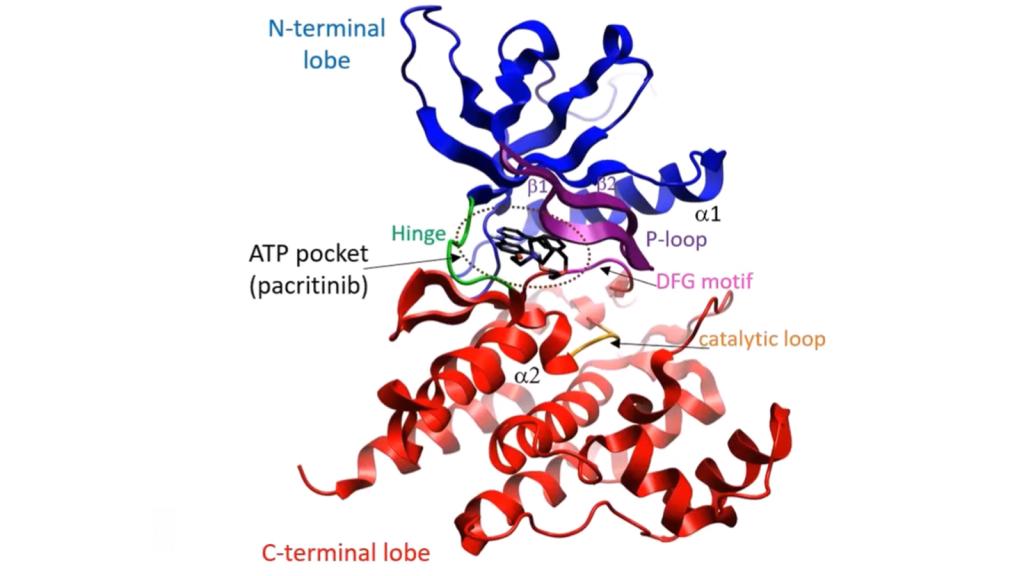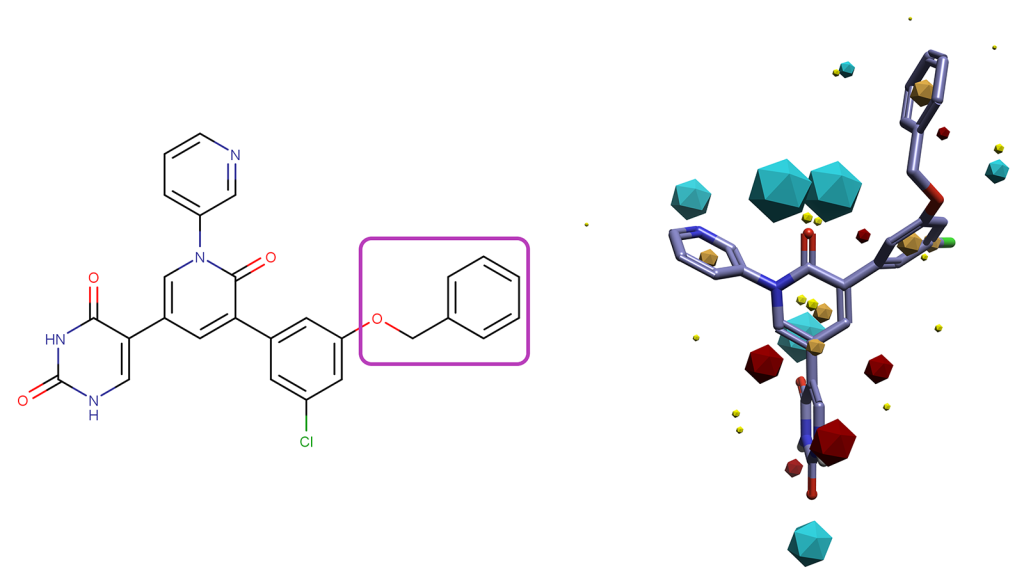
Accurate binding affinity predictions are an essential tool in digital drug discovery: they help identify the most promising molecules earlier in the process, reducing the need for costly lab experiments. Overall, they make molecular discovery faster, cheaper, and more efficient, while improving the chances of developing successful therapeutics.
Free Energy Perturbation (FEP)
Flare FEP is a quantitative method to reliably calculate absolute and relative binding affinities, enabling accurate ranking of molecules, enabling users to test ‘in-silico‘ a large number of molecules, prior to focusing on ‘wet’ lab work.
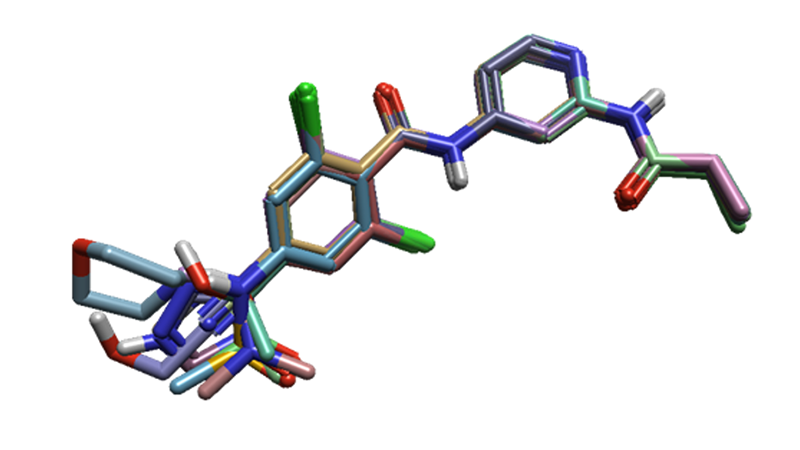
Relative FEP calculations enable chemists to estimate the relative changes in binding affinity across a series of congeneric ligands, while Absolute FEP calculations directly estimate the binding free energy of molecules for more diverse compounds.
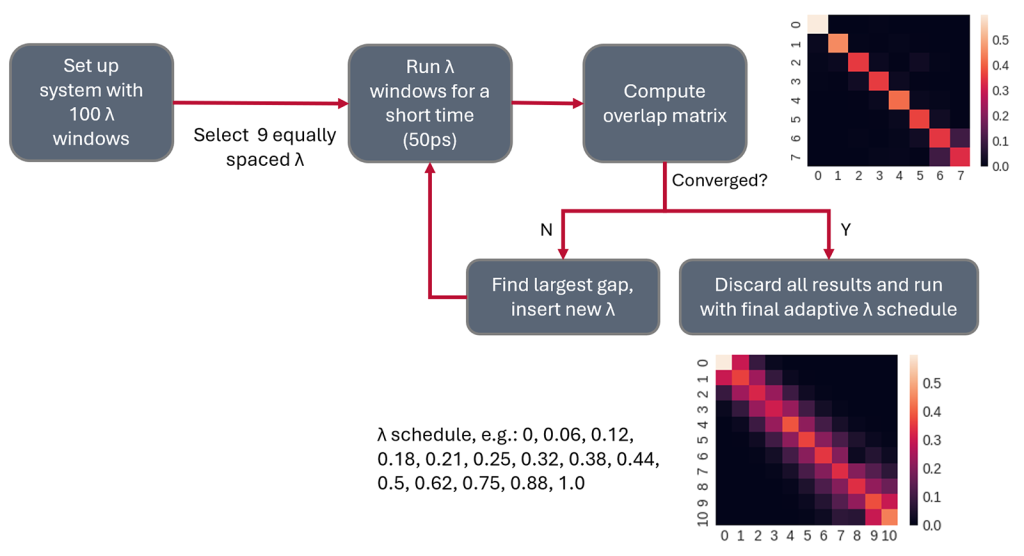
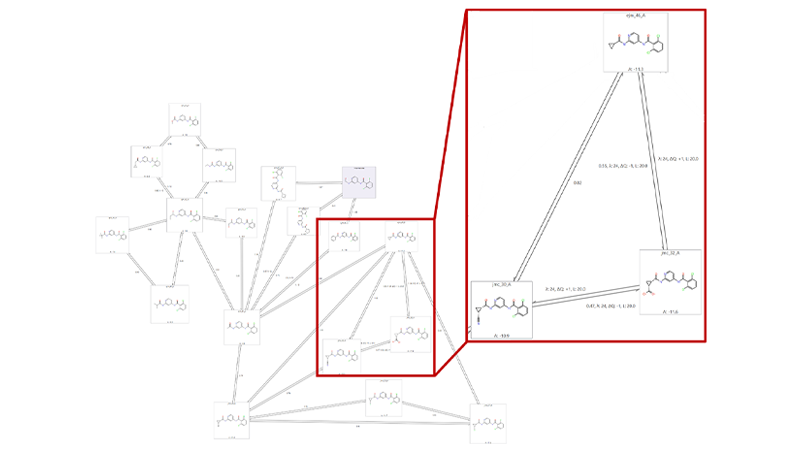
In Flare, Relative and Absolute experiments can be combined seamlessly within a single FEP project. Flare FEP’s user interface is designed to simplify and enhance the process of running experiments, automatically creating a choice of different perturbation networks, handling efficiently the parallelization of calculations, and offering a large variety of highly visual tools for viewing results and troubleshooting.
Benchmarking FEP experiments can be used to gain confidence that your system is prepared correctly, confirming the predictivity of the method on the target and ligand series of interest. Then production FEP experiments yield predicted binding free energies for new molecular designs.
MM/GBSA
Molecular Mechanics/Generalized Born Surface Area (MM/GBSA) calculations offer the advantage of being more theoretically rigorous than empirical scoring functions used by molecular docking, and the benefit of being far less computationally expensive than Relative FEP calculations. This powerful middle ground between computational cost and predictive performance makes it suitable for screening protein-ligand binding affinities and particularly useful throughout the early stages of hit and lead refinements.
In Flare, MM/GBSA calculation may be performed on individual minimized structures or representative conformations, typically post-docking and/or after short refinement. This fast yet reasonable accurate way to estimate binding affinities could validate docking results and help prioritizing your molecule designs with more confidence.
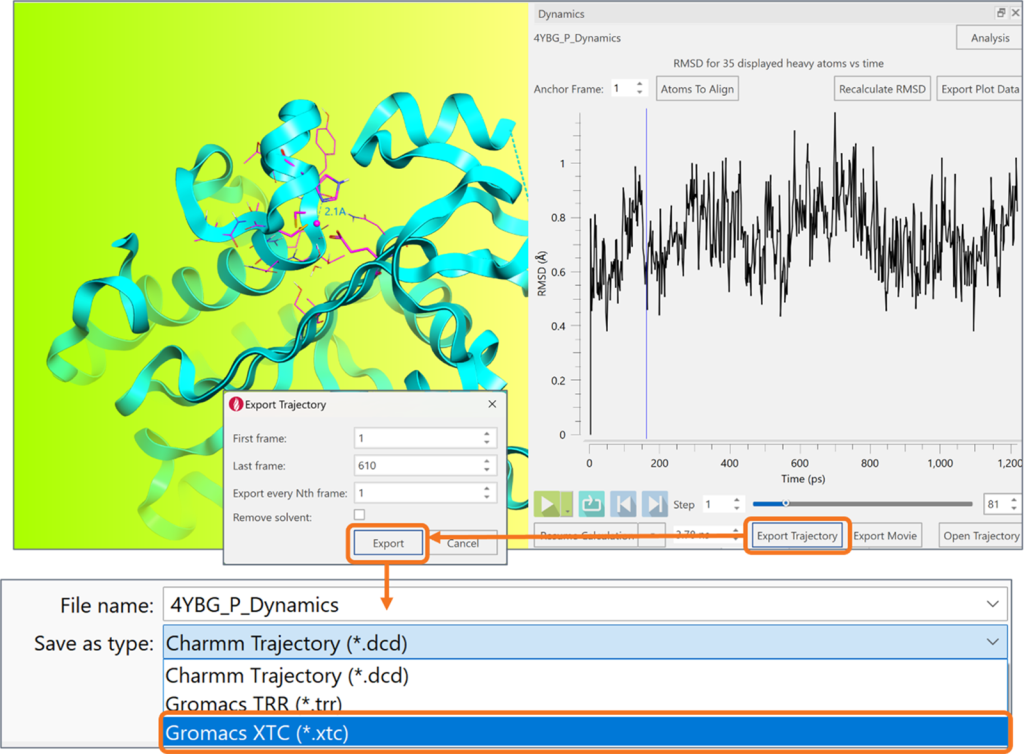
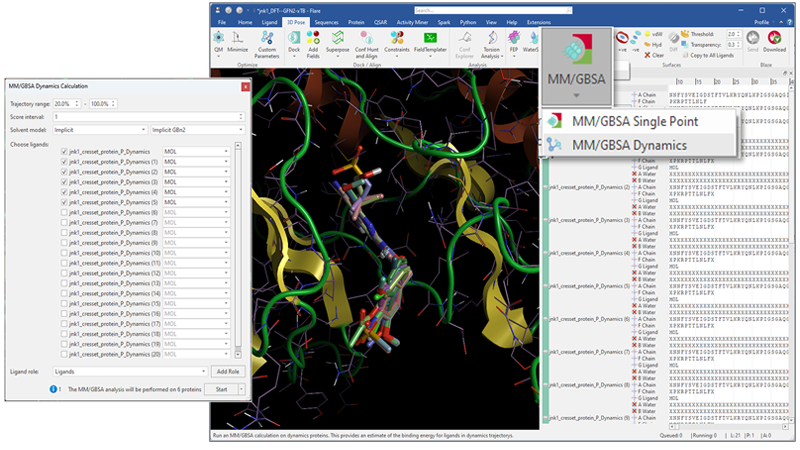
Furthermore, to capture the plasticity of a ligand within the binding pocket of its target, you can compute MM/GBSA calculations on molecular dynamics by averaging results over multiple snapshots extracted from molecular dynamics trajectories. It has the advantages of incorporating molecular flexibility and dynamic sampling of protein-ligand interactions, and it estimates more accurate binding free energies. This advanced technique can shape smarter simulation-guided decisions and draw robust conclusions to guide the design of novel and improved lead molecules.